

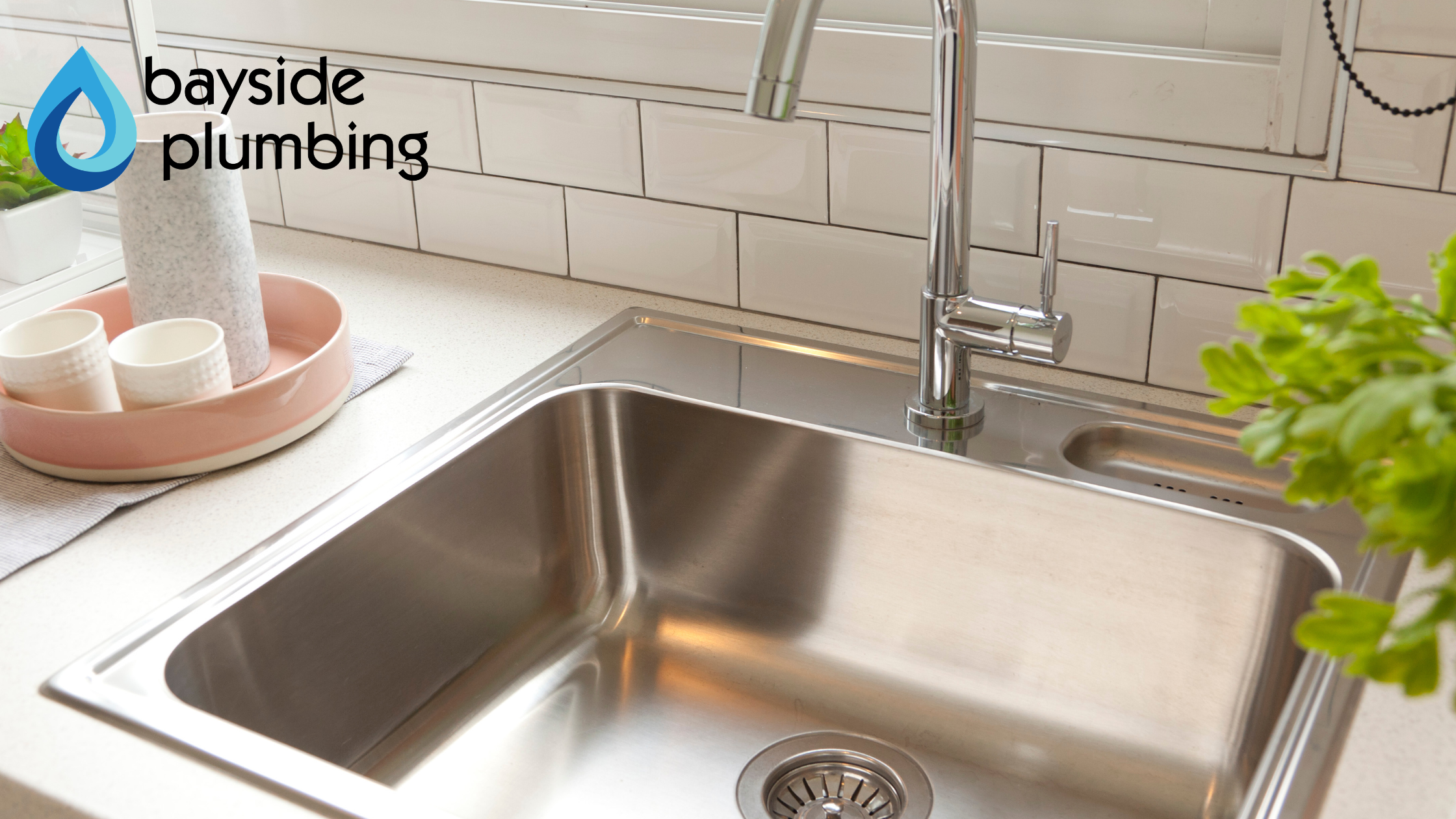
If you have lived in Daphne or anywhere along the Eastern Shore for a while, you may have noticed the telltale signs of hard water without realizing that is what you were looking at. White mineral buildup around faucets and showerheads. Soap that never seems to lather quite right. Laundry that feels stiff and looks dull after washing. Glasses and dishes that come out of the dishwasher spotted and cloudy no matter how many times you run them.
Hard water is a common issue for homes in Baldwin County, and while it is not a health risk, it creates a constant low-level friction in everyday life that adds up over time in ways that affect your home, your appliances and your wallet. A professionally installed water softener addresses the root cause of these problems and delivers benefits that homeowners in Daphne notice almost immediately.
What Makes Water Hard in the First Place?
Hard water contains elevated levels of dissolved minerals, primarily calcium and magnesium, that are picked up as groundwater moves through rock and soil before reaching your home. The Gulf Coast’s geology makes mineral-rich water common throughout the region, and municipal water treatment does not remove hardness minerals the way it removes contaminants.
When hard water flows through your home’s plumbing and appliances, those minerals deposit over time and create scale buildup that causes wear, reduces efficiency and shortens the lifespan of nearly everything the water touches.
Benefits of Installing a Water Softener in Your Daphne Home
Your Plumbing and Fixtures Last Longer
Scale buildup from hard water accumulates inside pipes, water heaters, faucets and fixtures over time, gradually reducing water flow and causing corrosion. In severe cases, mineral deposits can restrict pipe diameter significantly enough to affect water pressure throughout the home. Softened water does not produce scale, which means your plumbing stays cleaner, your fixtures look better and your entire water system experiences less long-term wear.
Your Water Heater Runs More Efficiently
One of the places hard water does the most damage is inside a water heater. Scale accumulates on heating elements and tank walls, forcing the unit to work harder and consume more energy to heat the same amount of water. Studies on water heater efficiency consistently show that hard water scale buildup can significantly reduce energy efficiency over time. Softened water keeps heating elements clean, reduces energy consumption and extends the working life of the unit. For homeowners already considering a water heater repair or replacement, addressing water hardness at the same time protects the new investment from the same problem recurring.
Soap and Cleaning Products Work Better
Hard water interferes with the way soap and detergent lather and rinse. The dissolved minerals react with soap to form a sticky residue rather than a clean lather, which is why hard water homes often need more detergent to get the same cleaning result and still end up with film on surfaces, dishes and laundry. Soft water allows soap to lather fully and rinse completely, which means cleaner dishes, brighter laundry, softer skin after showering and less cleaning product needed per use.
Your Appliances Have a Longer Lifespan
Dishwashers, washing machines, coffee makers and other water-using appliances all suffer accelerated wear when operating with hard water. Scale buildup clogs spray arms, clogs internal components and forces motors to work harder than they were designed to. Soft water protects these appliances from the inside and helps them operate at the efficiency and performance level they were built to deliver throughout their expected lifespan.
Cleaner Surfaces with Less Effort
Anyone who has scrubbed calcium deposits off a showerhead or battled soap scum on glass shower doors knows how much time hard water adds to routine cleaning. Soft water eliminates the mineral deposits that cause these surfaces to cloud and build up, making everyday cleaning faster and keeping fixtures looking newer for longer.
Water Softeners and Water Purification Work Together
It is worth noting that a water softener addresses hardness minerals specifically but is not the same as a full water purification or filtration system. Many Daphne homeowners benefit from combining a water softener with a broader water purification installation that addresses other concerns like chlorine taste, sediment or contaminants. Bayside Plumbing can assess your home’s water quality and recommend the right combination of solutions based on what your water actually needs rather than a one-size-fits-all approach.
Professional Installation Makes a Difference
A water softener that is improperly sized or incorrectly installed will not deliver the results homeowners expect. The right system depends on the size of your home, the number of occupants, your water usage patterns and the specific hardness level of your water supply. Bayside Plumbing’s team serves Daphne and surrounding Baldwin County communities with professional water treatment installations designed around your home’s specific needs, with transparent pricing and a customer satisfaction guarantee.
Ready to stop fighting hard water and start protecting your home? Contact Bayside Plumbing today at (251) 348-0090 to schedule a consultation or request a free quote.
Frequently Asked Questions
How do I know if I have hard water in my Daphne home?
Common signs of hard water include white or yellowish mineral deposits around faucets, showerheads and fixtures, soap that does not lather well, cloudy or spotted dishes and glasses after washing, stiff or dull laundry and a film that builds up on shower walls and glass doors. If you notice several of these signs regularly, hard water is likely the cause. Bayside Plumbing can assess your water quality and confirm the hardness level before recommending a solution.
Will a water softener change the taste of my drinking water?
Water softeners work by replacing hardness minerals like calcium and magnesium with a small amount of sodium through an ion exchange process. Some people notice a slightly different taste after softening, though most do not. If drinking water taste or purity is a concern, combining a water softener with a reverse osmosis drinking water system or a broader water purification solution is a popular option that addresses both hardness and taste in one setup.
How long does a water softener installation take?
A standard residential water softener installation by a licensed plumber typically takes a few hours depending on the location of the install point, the condition of existing plumbing and the type of system being installed. Bayside Plumbing handles the full process from system selection and sizing through installation and testing so homeowners do not have to coordinate multiple parties or figure out the technical details themselves.
Will a water softener protect my water heater and appliances?
Yes. Eliminating hard water scale is one of the most effective ways to extend the lifespan and maintain the efficiency of a water heater and other water-using appliances. Scale buildup forces water heaters to work harder to reach the same temperature, which increases energy use and accelerates wear on heating elements. Soft water keeps internal components cleaner and allows appliances to operate at the efficiency level they were designed for throughout their working life.
Does Bayside Plumbing serve areas outside of Daphne?
Yes. Bayside Plumbing serves homeowners and businesses throughout Baldwin and Mobile County, including Daphne, Fairhope, Spanish Fort, Gulf Shores, Orange Beach, Foley and surrounding communities. If you are unsure whether your address falls within the service area, contact the team at (251) 348-0090 to confirm.